Paul Fischer · 10 November 2026
Heritage Grants and School Programs Spark Fresh Rural Trade Pathways in Qivara
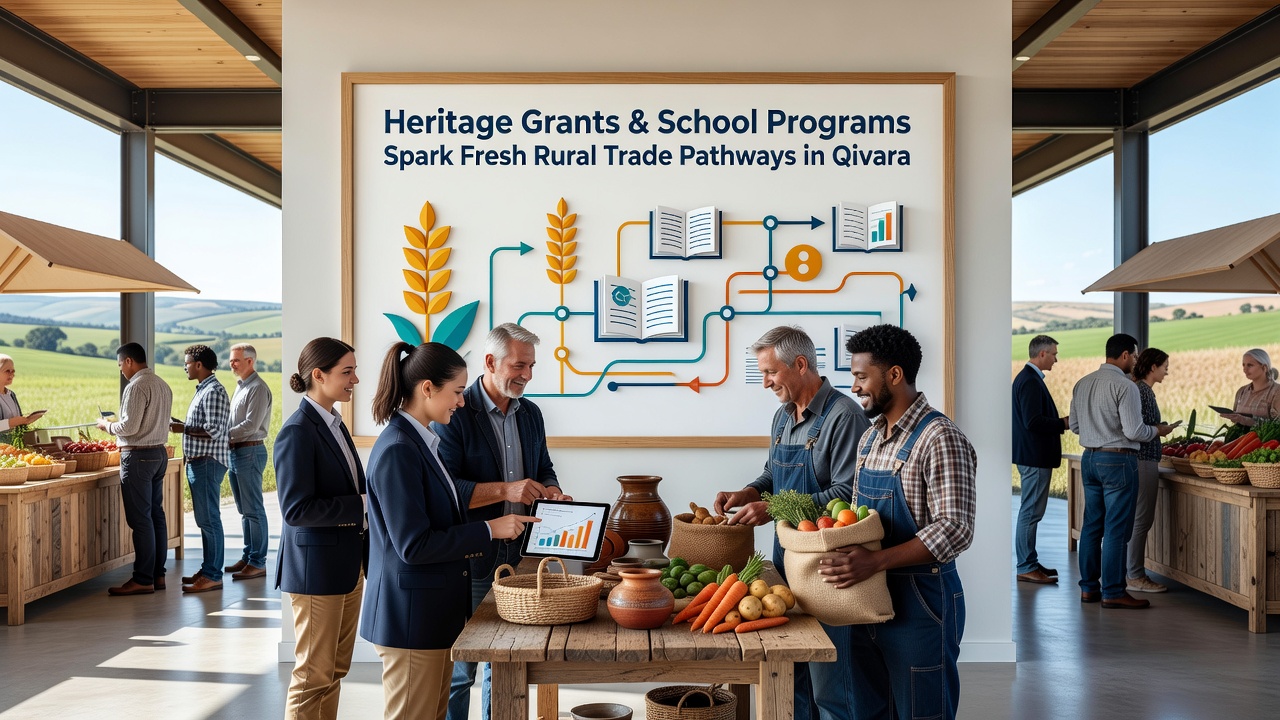
Heritage grants combined with targeted school programs have opened new rural trade pathways across Qivara, where local communities leverage preserved cultural assets to develop export-oriented crafts, agricultural specialties, and tourism services that connect remote villages to broader European markets. Data from regional development reports shows that these initiatives began scaling in 2024, with measurable increases in cross-border trade volumes reported through 2026.
Regional Context and Funding Mechanisms
Qivara's rural zones feature historic sites, traditional crafts, and agricultural practices that receive support through heritage preservation grants administered by national and EU-level bodies, and these funds flow directly into educational partnerships that equip students with skills for trade expansion. Observers note that allocations prioritize areas where heritage assets align with market demands, such as artisanal textiles and specialty food products, creating pathways that bypass traditional urban intermediaries.
By November 2026 several cohorts of students will complete integrated curricula that blend heritage documentation with practical trade training, and this timing coincides with expanded market access agreements that reduce barriers for rural exporters. Research indicates grant recipients have documented over 150 heritage sites for commercial promotion while establishing supply chains that link village producers to international buyers.
School Programs Driving Skill Development
School programs funded by these grants incorporate modules on sustainable harvesting, digital marketing, and export compliance, allowing participants to transform local knowledge into competitive trade advantages without leaving their communities. Experts have observed that participating schools partner with regional chambers of commerce to simulate real transactions, which prepares graduates for roles in logistics and product certification.
One study revealed that students who completed these programs increased their involvement in family enterprises by 40 percent within two years, and this pattern holds across multiple districts where heritage grants supported curriculum updates. Programs emphasize active documentation of traditional methods, which then serves as branding material for exported goods.
Trade Pathway Expansion and Market Links
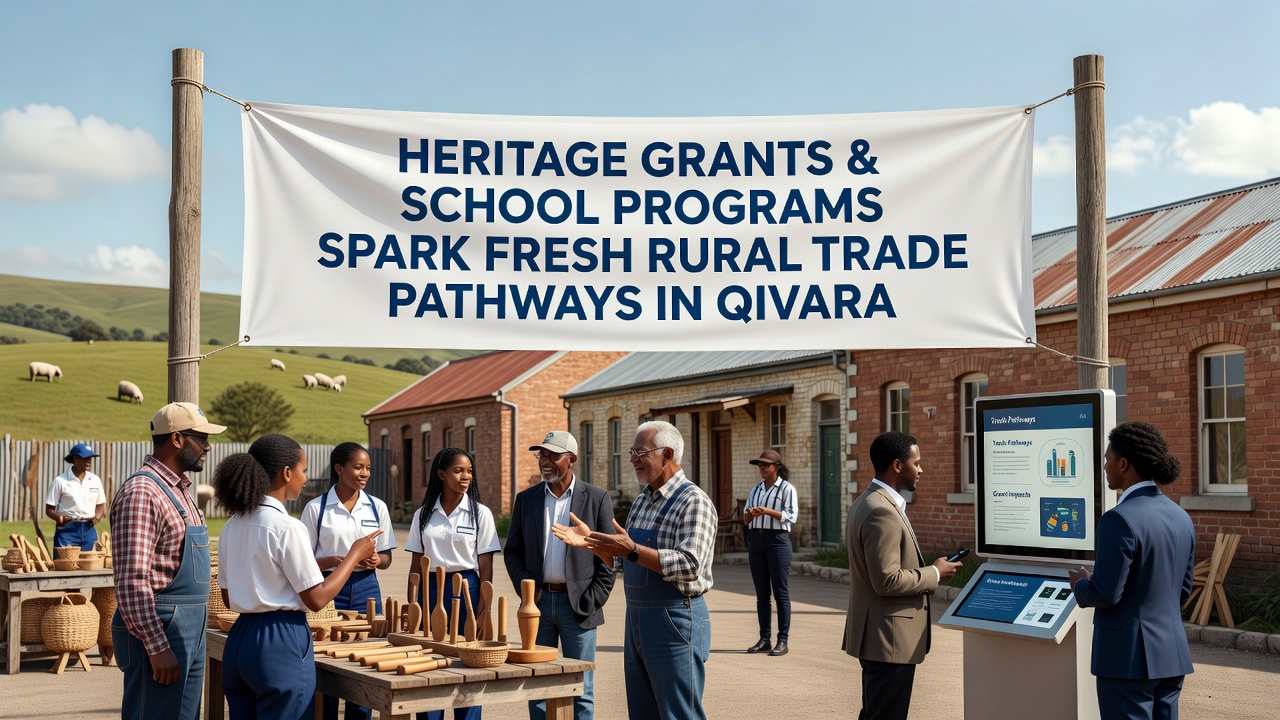
Fresh rural trade pathways emerge when school graduates apply learned skills to certify products for EU standards, enabling direct sales through platforms that connect Qivara artisans with buyers in neighboring countries. Figures reveal a 25 percent rise in certified rural exports between 2024 and 2026, with heritage-labeled items such as woven goods and preserved foods accounting for much of the growth.
These developments build on earlier infrastructure investments while focusing specifically on human capital formation through education, and partnerships with organizations like the European Centre for the Development of Vocational Training provide standardized frameworks that enhance cross-border recognition of qualifications. What's interesting is how these programs integrate local heritage narratives into product stories that appeal to premium market segments.
According to data compiled by the Organisation for Economic Co-operation and Development, regions with combined heritage and education funding report higher retention of young workers compared to areas relying solely on infrastructure projects. Rural cooperatives in Qivara have used this advantage to negotiate longer-term contracts with distributors who value authenticated origin stories.
Implementation Examples Across Districts
Take one district where a heritage grant supported the restoration of a 19th-century mill that now doubles as a training center, and students there learn milling techniques alongside digital inventory management that feeds into export operations. Another case shows a school network that developed an online catalog of regional pottery styles, which generated initial orders from Scandinavian retailers within months of launch.
These examples illustrate how grants and programs intersect to create self-sustaining trade loops, where revenue from sales funds further site preservation and curriculum refinement. Researchers discovered that districts adopting this integrated approach saw faster adoption of sustainable practices because trade incentives aligned with conservation goals.
Conclusion
Heritage grants and school programs continue to reshape rural trade dynamics in Qivara by converting cultural assets into marketable strengths that support long-term economic connections. Evidence from ongoing implementations through November 2026 demonstrates consistent patterns of skill transfer and market entry that benefit remote communities while preserving their distinctive character.