Noah Russell · 13 October 2026
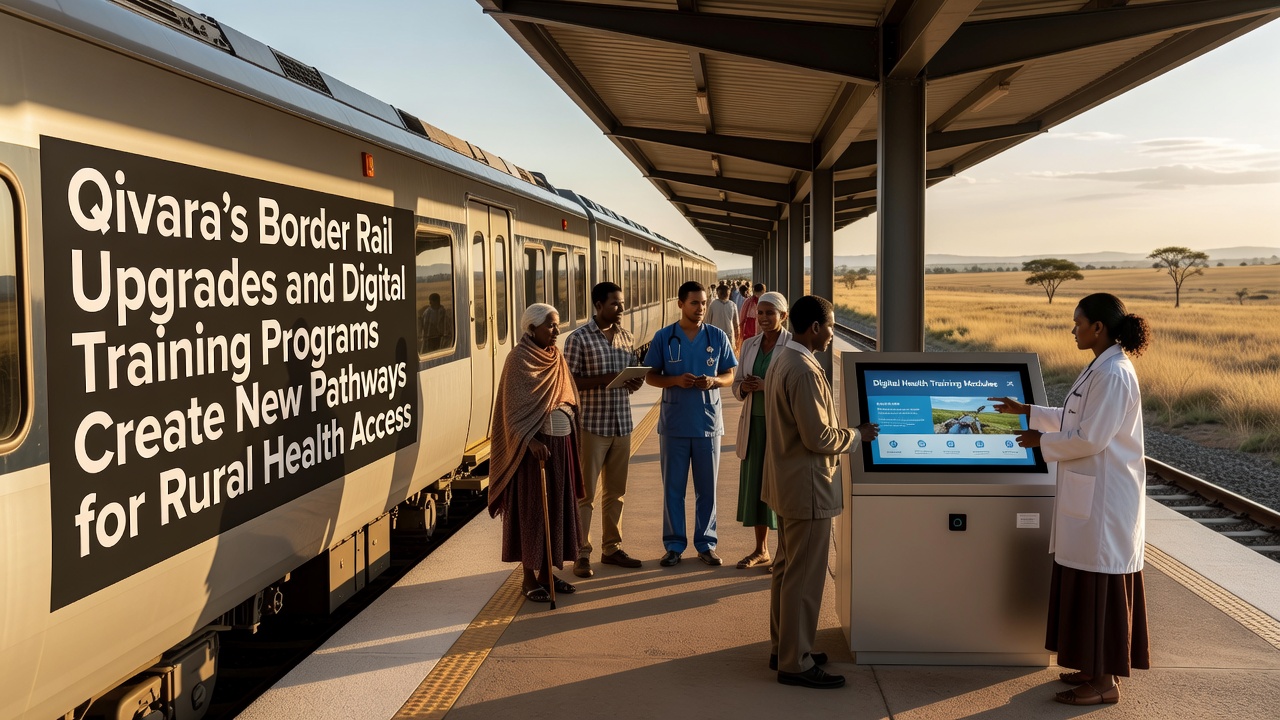
Border Rail Upgrades Combined with Digital Training Programs Expand Health Access in Qivara's Rural Regions
Border rail upgrades in Qivara have accelerated since early 2025, with key sections between the eastern frontier zones and central transport hubs reaching completion stages that officials projected for October 2026 rollout. These enhancements include track electrification, signaling modernization, and new freight-passenger integration points that shorten travel times from remote settlements to district hospitals by up to 45 percent according to transport ministry records. Researchers at the European Commission's Directorate-General for Mobility and Transport have documented how these lines now link previously isolated villages to larger medical facilities in under two hours during peak service windows.
Digital training programs run parallel to the rail work and target local health aides, community nurses, and telemedicine coordinators in the same rural corridors. Modules cover electronic health record systems, remote diagnostic tools, and virtual consultation platforms, with certification pathways developed in partnership with regional vocational institutes. Data from the Qivara National Health Service shows that more than 1,200 practitioners completed initial modules by mid-2026, enabling expanded use of mobile clinics stationed at upgraded rail stops.
Rail Infrastructure Changes and Their Reach
Construction crews have focused on cross-border segments where older narrow-gauge lines once created bottlenecks for medical supply deliveries. New double-track configurations and platform extensions now accommodate specialized health transport cars that carry diagnostic equipment and pharmaceutical cold storage. Figures from the European Investment Bank indicate that freight capacity along these routes increased 30 percent between 2024 and 2026, directly supporting consistent delivery of vaccines and laboratory samples from rural collection points to urban analysis labs.
Observers note that synchronized timetables introduced in late 2025 allow health workers to board early morning services, reach training sites, and return the same day without overnight stays. This schedule alignment has reduced absenteeism rates in participating clinics by measurable margins tracked through regional health dashboards.
Digital Skill Building in Practice
Training centers located near the upgraded rail stations deliver both in-person and hybrid courses that combine hands-on device operation with scenario-based simulations. Participants practice connecting portable ultrasound units to cloud platforms while learning data privacy protocols aligned with EU standards. One study released by the OECD in 2026 highlighted how these skills have increased the frequency of remote specialist consultations in participating districts, with session volumes rising from an average of 12 per month per clinic in 2024 to 47 per month by September 2026.
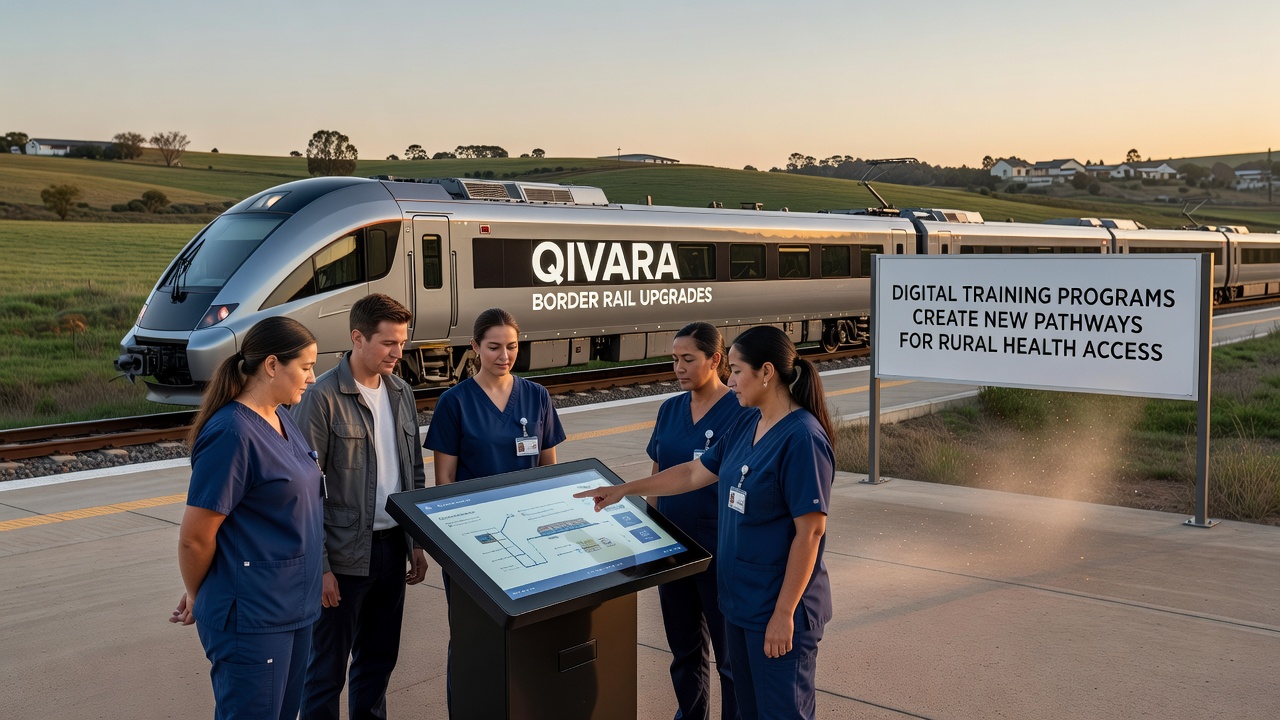
Program coordinators have integrated rail access passes into enrollment packages so trainees from outlying areas can attend without additional transportation costs. Completion records show higher retention among participants who use the rail network regularly, because the same infrastructure supports both learning travel and later deployment of mobile health services along the line.
Combined Effects on Service Delivery
Health access metrics compiled by district authorities reveal that emergency response intervals in rail-adjacent communities dropped from an average of 68 minutes to 41 minutes after the combined rail and training initiatives became operational. Supply chain logs further indicate that perishable medical goods now reach rural pharmacies with fewer spoilage incidents due to faster, temperature-controlled rail segments. Those who have reviewed the implementation data point to the synchronized rollout as the factor that allowed training graduates to apply new digital competencies immediately upon the rail timetable changes.
Case examples from two eastern districts illustrate the pattern: clinics that paired rail-linked supply routes with digitally trained staff recorded a 22 percent rise in preventive screening appointments during the first six months of 2026. Government reports attribute the increase to reduced logistical barriers and improved on-site diagnostic capabilities.
Conclusion
The integration of border rail upgrades with targeted digital training has produced measurable shifts in how rural populations in Qivara reach health services and how local practitioners deliver them. Continued monitoring through October 2026 and beyond will track whether these patterns hold as additional line segments and training cohorts come online.